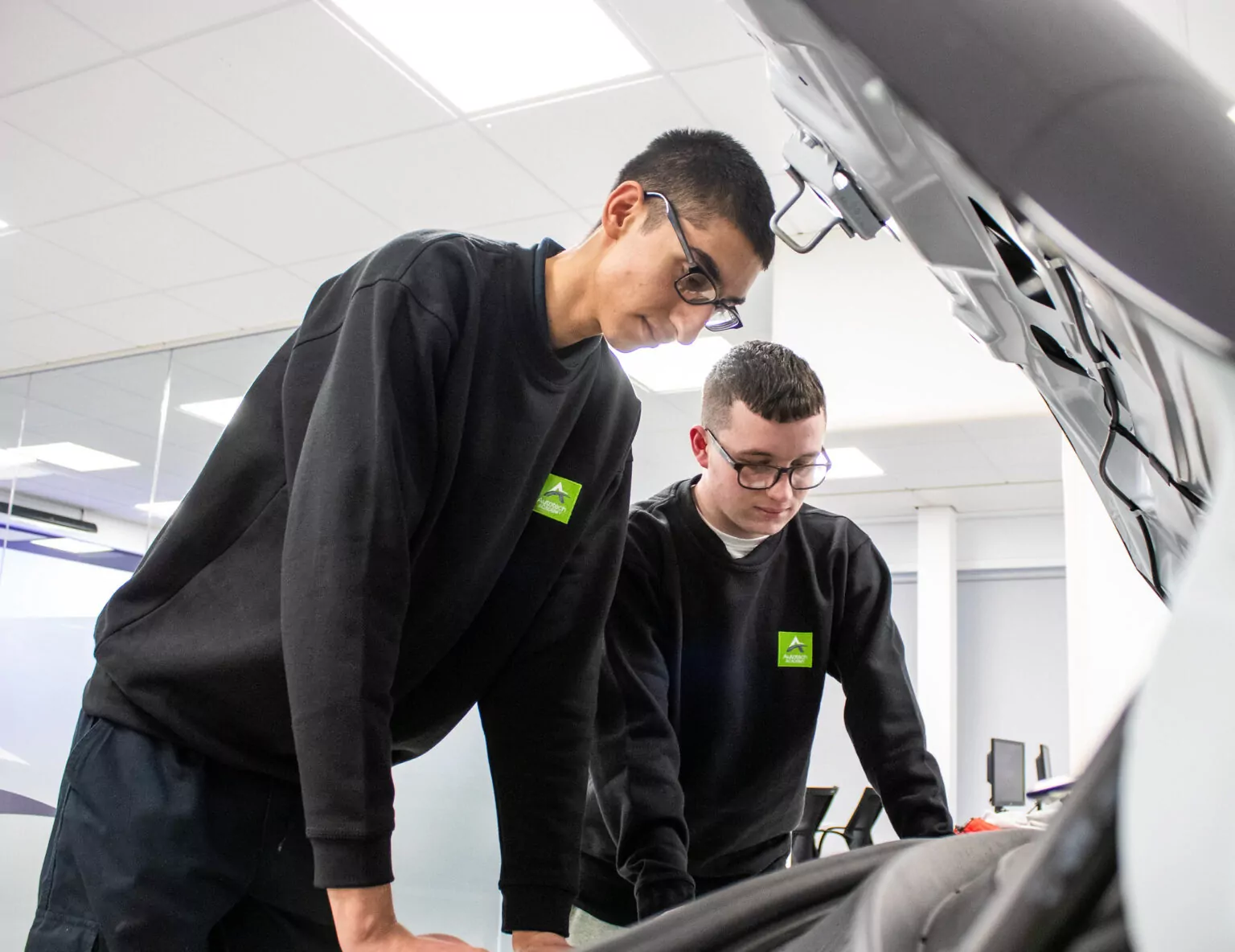
A five-year initiative helping newly qualified automotive students make the transition from college into the workplace has now supported more than 560 young people, with 95% of those successfully completing the programme progressing into permanent automotive employment.
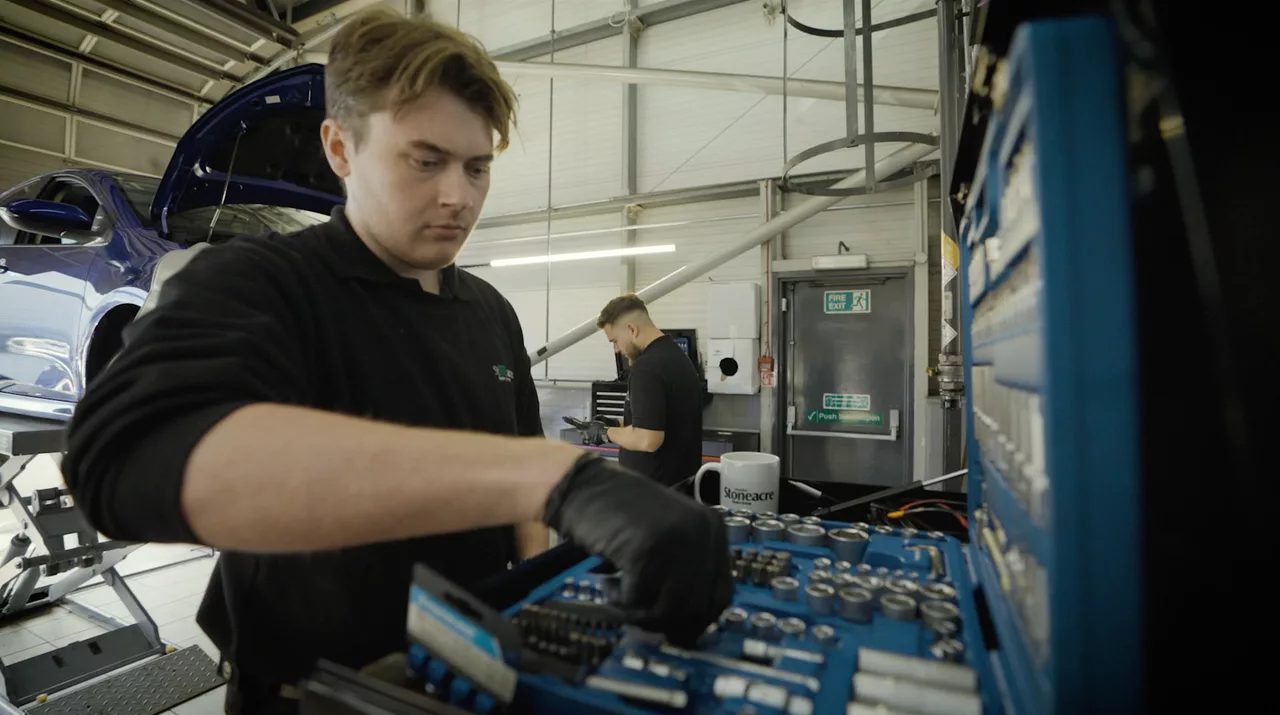
Marking its fifth anniversary, Autotech Academy now works with more than 70 UK colleges and has placed newly qualified automotive students across 250 employer sites, including major dealer groups and businesses representing brands including Toyota, Lexus, Ford and BMW, providing a paid route to gain the commercial workshop experience that can be critical to securing a permanent role.
The milestone comes as automotive courses continue to evolve alongside an increasingly sophisticated industry. Throughout 2025, data from the Institute of the Motor Industry (IMI) demonstrated a strong pipeline of automotive qualifications, with growing emphasis on skills such as electric and hybrid vehicle technology and ADAS. Yet the sector itself continues to face significant skills pressures.
For students, one of the biggest hurdles can come after they qualify. While they leave college equipped with technical knowledge and qualifications, securing that first industry role can be challenging when employers also require commercial workshop experience.
The paid internship programme is specifically designed for students who have completed their automotive studies, rather than those still working towards their qualification. Where a college offers Level 3, students must have achieved their Level 3; where automotive provision concludes at Level 2, Level 2-qualified students are supported once they have qualified.
Simon King, CEO of Autotech Group the company who launched Autotech Academy in 2021, comments: “Automotive courses have evolved enormously alongside the vehicles technicians are now expected to maintain and repair. Colleges are developing the technical talent our industry needs and are playing a vital role in addressing the skills challenge.
“But qualification must lead to opportunity. For many newly qualified automotive students, getting that first foot in the door remains the hardest step. Giving them the opportunity to build commercial workshop experience can turn their education into a career while ensuring the industry retains much-needed skills.”
The approach is already supporting colleges including Hugh Baird College in Liverpool, where the partnership created a direct pathway into automotive employment for qualifying Level 3 students, alongside careers advice highlighting the breadth of opportunities available within the sector.
Rachael Hennigan, Principal and Chief Executive of Hugh Baird College, says: “Through our partnership with Autotech Academy, we are helping ensure newly qualified technicians not only have the skills to meet the industry’s evolving demands, but also a direct route into fulfilling careers. Together, we are bridging the gap between education and industry and helping our students take that important next step into employment.”
For colleges, strengthening this transition from qualification to employment can also support positive learner destinations, helping students progress into careers directly related to their studies.
Simon concludes: “There is a strong pipeline of talent coming through automotive courses. By strengthening the bridge between colleges and employers, we can help more newly qualified students turn their skills into long-term careers and ensure the investment being made in automotive training continues to benefit the industry.”