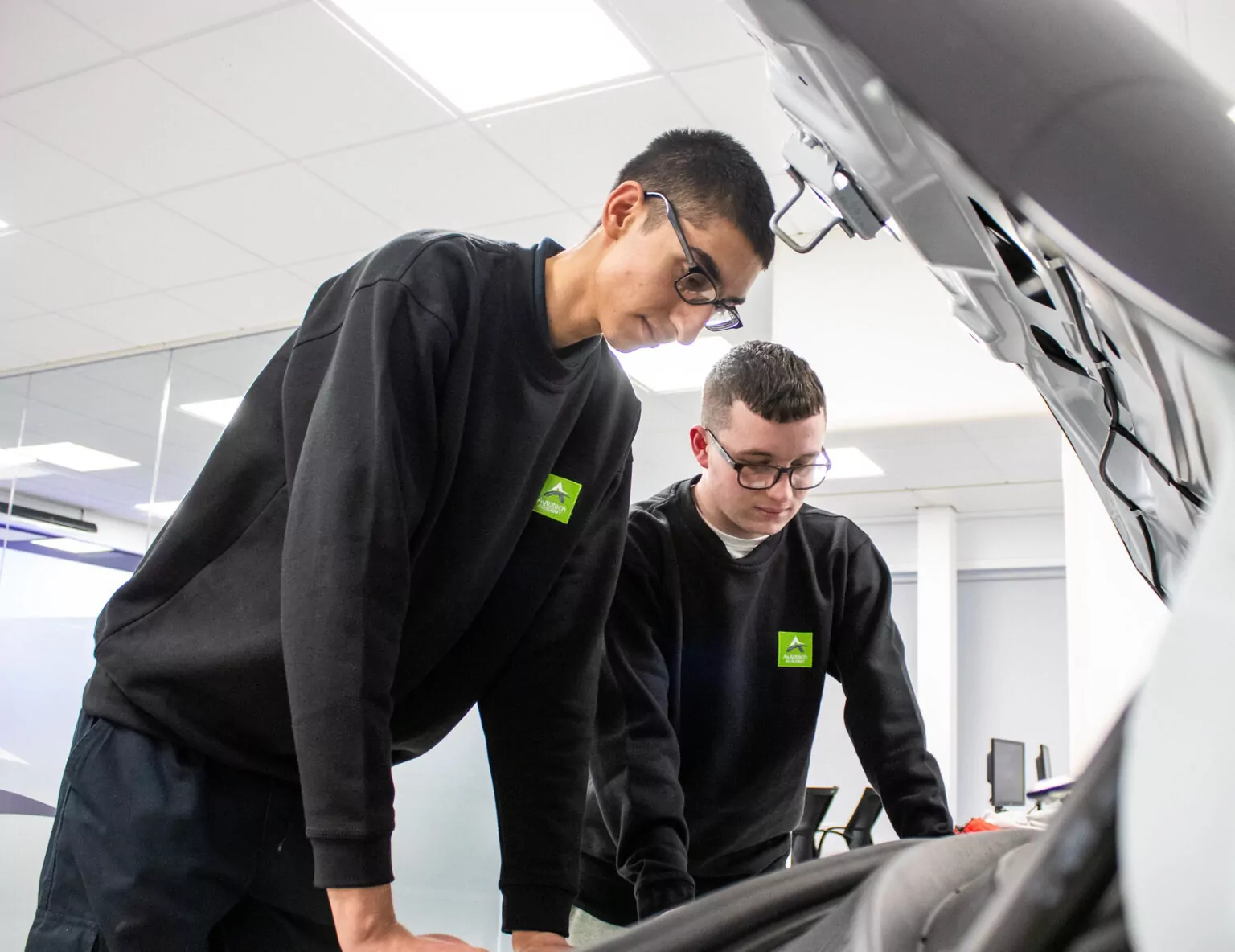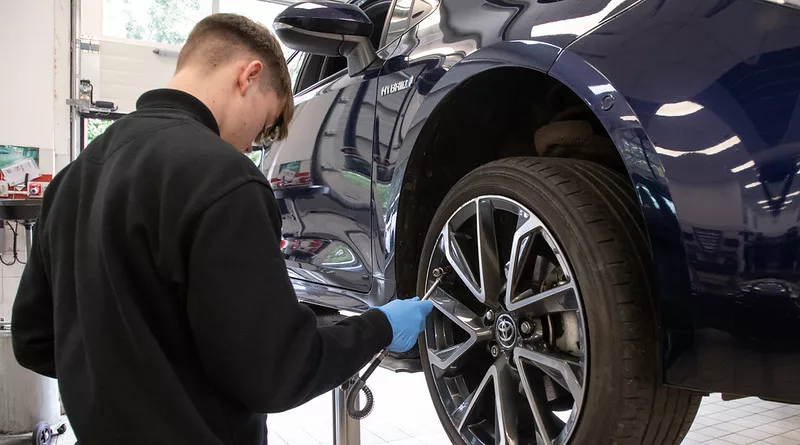

More than 750 Level 3-qualified vehicle technicians are actively seeking employment through Autotech Academy, prompting a renewed call for the automotive industry to tackle the ‘experience bottleneck’ preventing qualified technical talent from making the transition into employment.
The figure comes as Autotech Academy marks its fifth anniversary, providing an opportunity to revisit the issue it was established to address.
Since launching, over 560 interns have been placed across 250 employer sites, supported by relationships with over 70 UK colleges. Of those successfully completing their internship, 95% have progressed into permanent employment.
Yet hundreds of qualified technicians are still waiting for that crucial first opportunity. For Simon King, CEO of Autotech Group, this raises a more uncomfortable question: if the sector needs technicians, why are so many qualified people still struggling to get through the workshop door?
“When Autotech Academy launched, young people were qualifying in automotive but struggling to secure their first role because employers wanted workshop experience,” Simon comments.
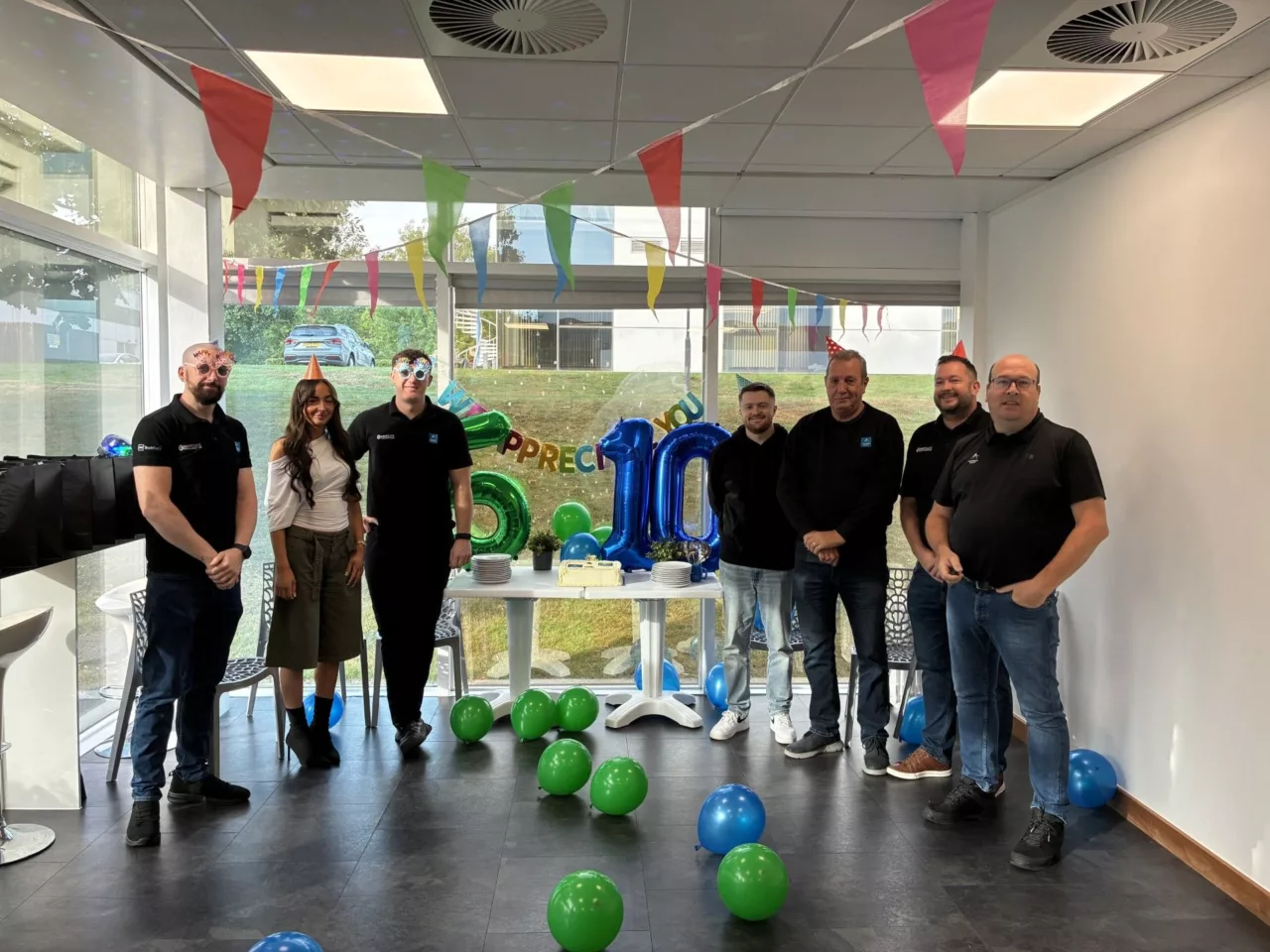
“The outcomes we’ve seen since demonstrate what can happen when qualified technicians are given the opportunity to gain that experience. But the scale of talent currently looking for work also tells us that the underlying challenge hasn’t gone away.”
A skills shortage – or an experience bottleneck?
The problem was already well recognised in 2021. Colleges reported young people eager to enter automotive while employers struggled to fill technical vacancies. Between the two sat a familiar barrier: commercial workshop experience.
Former Autotech Academy intern Cameron Bell experienced it first-hand. He qualified to Level 3 in 2019 but spent three years working outside the automotive industry after repeatedly being told he lacked experience.
“I kept hearing I needed experience, but no one was willing to give me a chance,” he recalls.
An Academy internship eventually gave Cameron his route into the workshop. He secured permanent employment and has since progressed into more technical diagnostic and repair work while studying Mechanical Engineering alongside his role.
Other former interns have progressed through manufacturer training, developed specialist diagnostic and EV skills and moved into more senior technical roles.
For Simon, these outcomes suggest the sector needs to look more closely at what sits behind the skills shortage: “When hundreds of Level 3-qualified people are actively looking for employment, we have to ask whether part of the problem is an experience bottleneck.
“Nobody is suggesting that someone newly qualified can immediately replace a technician with ten years of workshop experience. But if every vacancy requires experience, where does the next generation get the opportunity to acquire it?”
Stop looking at every vacancy in isolation
Simon believes this also requires a broader approach to workforce planning, balancing immediate resource pressures with the need to develop future technical capability. “If you have ramps standing empty today, you need productive technicians. But solving today’s resource problem without building tomorrow’s workforce simply pushes the same challenge further down the road.
“Not every vacancy will be suitable for someone at the beginning of their career, but neither should every vacancy automatically require an experienced technician. Short-term resourcing and longer-term workforce development need to be considered together.”
The principle is straightforward: newly qualified technicians are not the finished product. They need an opportunity to translate their technical knowledge into commercial workshop experience. The results demonstrate what can happen when they get it.
Simon concludes: The industry rightly asks where its next generation of technicians will come from. Some of them are already here.
“They have chosen automotive, gained their qualifications and want to work in the sector. If we continue to overlook them because they haven’t yet had the opportunity to build experience, we risk losing the very talent the industry says it needs.”