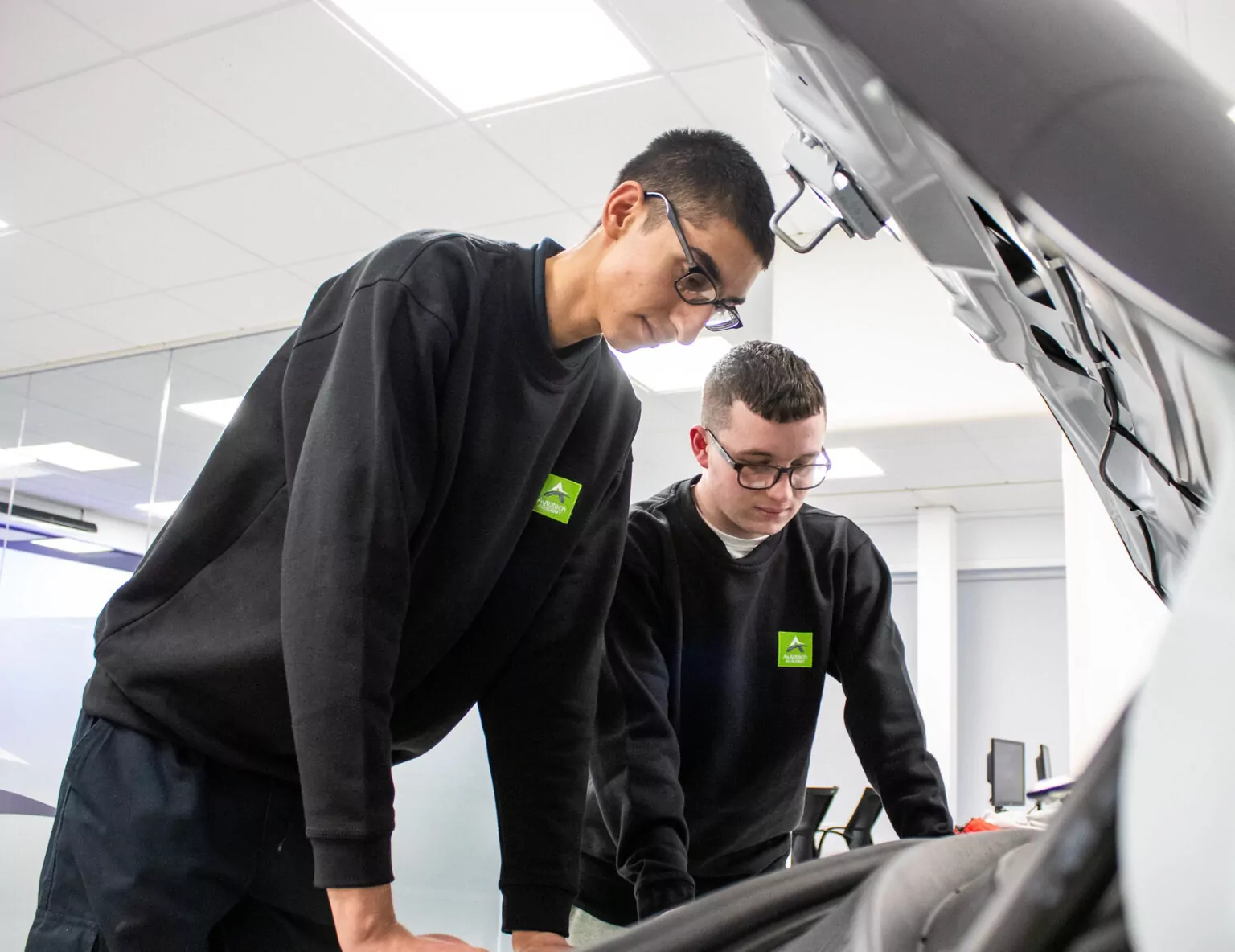
As Autotech Academy begins its fifth academic year of supporting newly qualified vehicle technicians into employment, it provides an opportunity to reflect on how the automotive sector is evolving and why long-term investment in young talent is becoming increasingly important for independent workshops across the UK.
The industry is changing fast. Recent data from the Society of Motor Manufacturers and Traders (SMMT) shows that in 2025 the sector added 1,700 apprenticeships, representing a 33% increase in total apprenticeships and a 28% rise in new starters. The figures highlight an encouraging trend: more young people are entering automotive careers.
At the same time, technology is moving quickly. Electric vehicles (EV), advanced driver-assistance systems (ADAS), sophisticated diagnostics and software integration are changing the skills technicians need. For independent workshops, this means that relying solely on hiring fully qualified technicians may not be enough to keep pace with change.
Many dealer groups have spent years developing structured pathways that take young people from apprenticeship through to fully qualified technician and beyond. Independent workshops often don’t have the same resources or dedicated training infrastructure, but that doesn’t mean they can’t build their own sustainable talent pipeline. Even small, practical steps can make a significant difference.
Why thinking ahead helps
Many independents have traditionally hired when vacancies appear. This approach works in the short term, but with SMMT predicting that, by 2035, 61% of roles will require new skills and nearly two-thirds of existing roles will need reskilling, it could leave some workshops vulnerable to skill gaps.
Seeing talent development as a journey, from early exposure to fully qualified technician, can make a big difference. Engaging young people early not only introduces them to the trade but also helps reduce recruitment gaps and ensures a workforce ready to adapt to new technologies.
A gentle roadmap for independents
Building a talent pipeline doesn’t have to be overwhelming. Even small steps can make an impact. Here are some ideas to consider:
Step 1: Understand your needs
Take some time to look at your team and think about the future:
● Which skills might be in higher demand over the next 5–10 years (EV, diagnostics, ADAS, software)?
● Are any team members likely to retire or move on soon?
● How much time and resource could realistically be dedicated to supporting young talent?
Step 2: Offer early exposure
Introducing young people to the workshop environment doesn’t need to be complicated. Simple activities can spark interest:
● Visits or talks at local schools
● Short-term work experience placements
● Demonstrations of modern automotive technology
Even brief experiences can help young people see a potential future in automotive careers.
Step 3: Provide structured learning opportunities
When offering placements to the newly qualified, small, structured tasks can make a big difference:
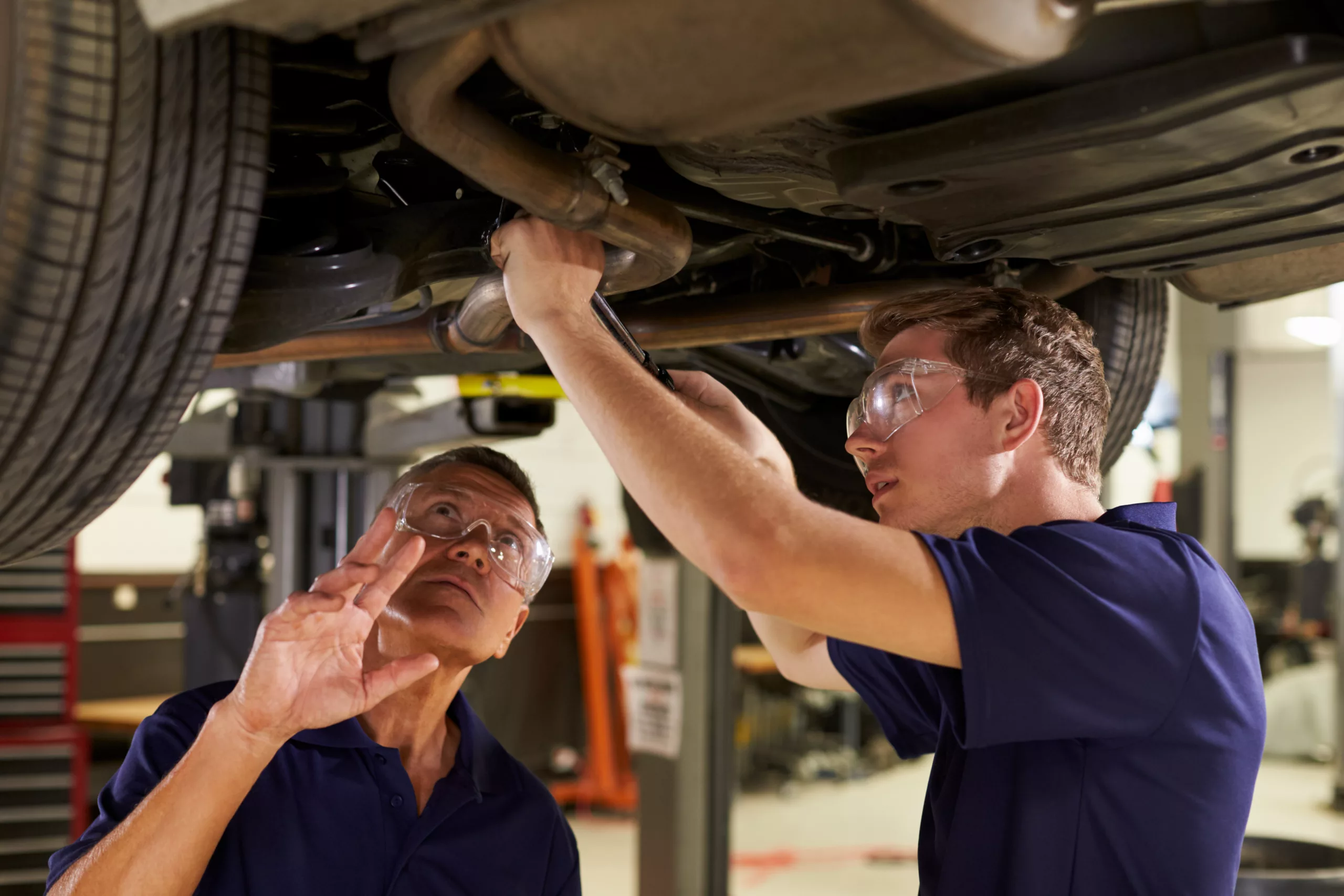
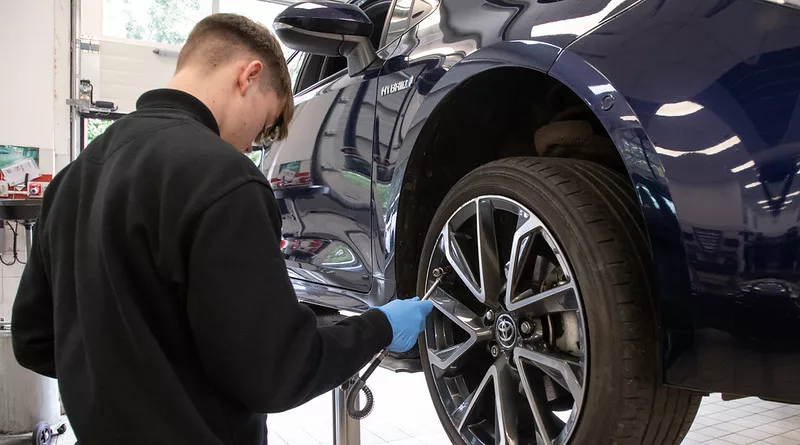
● Simple diagnostic or maintenance tasks under supervision
● Rotating through different areas of the workshop
● Short reflection sessions to discuss what they’ve learned
This helps young people gain hands-on experience without feeling like they’re just shadowing.
Step 4: Encourage mentorship
Experienced team members can play an invaluable role. Even informal guidance or regular check-ins can support young technicians’ growth and help them feel part of the team.
Step 5: Connect with local colleges
Partnerships with colleges offering Light Vehicle Repair and Maintenance courses can be mutually beneficial:
● Students gain real-world experience
● Workshops stay up to date with new skills and industry developments
● Colleges can adjust their courses to reflect practical needs
Step 6: Think long-term
Rather than focusing solely on filling today’s vacancy, consider how different stages of development could work together to build future capability:
● Apprenticeships help school or college leavers develop their technical skills while they train towards a recognised qualification.
● Internships, such as those offered through Autotech Academy, give newly qualified technicians valuable workplace experience as they transition from education into full-time employment.
● Continuing Professional Development (CPD) then helps technicians keep pace with new vehicle technologies throughout their careers.
● Thinking about how each stage fits into your business can help create a stronger, more sustainable workforce for the future.
Looking ahead
Independent workshops face many of the same workforce challenges as larger dealer groups, often with fewer resources. By taking a more structured approach to attracting and developing young talent, even in small, manageable steps, they can build a stronger pipeline of skilled technicians for the future.